Introduction
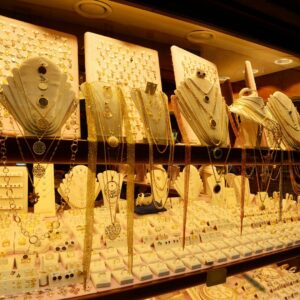
Walk into any gold souk in Dubai today and something has changed. The heavy 22K bridal sets and investment-grade gold bars are still there, of course — they always will be. But a new category is quietly taking over the display cases: lighter, finer, wearable 18K gold pieces designed not for a wedding day or a bank vault, but for a Tuesday morning commute to a DIFC office.
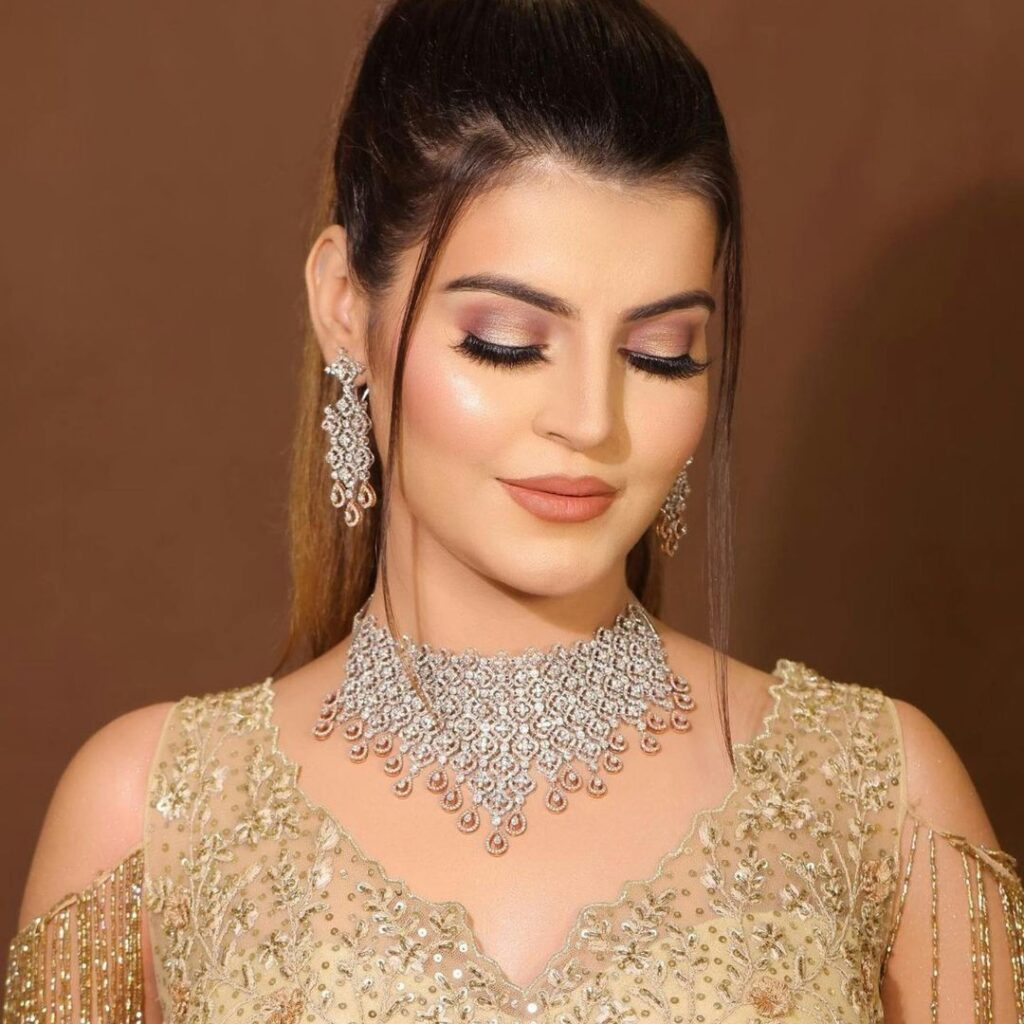
Dubai’s jewellery retail landscape is in the middle of a structural shift. A new generation of buyers — younger, more internationally influenced, and increasingly earning their own income — is redefining what gold means in the UAE. For them, gold is not just a store of value or a ceremonial gift. It is a daily accessory, a personal style statement, a piece they reach for every morning alongside their watch and their phone.
This is the everyday luxury trend, and it is reshaping how Dubai’s jewellers need to think about everything: their product mix, their pricing strategy, their supplier relationships, and critically, their inventory management.
Because managing everyday luxury inventory is fundamentally different from managing traditional gold retail inventory. And the jewellers who do not adapt their systems to match this shift will find themselves either overstocked in categories that are not moving or consistently sold out of the pieces their customers actually want.
The Everyday Luxury Shift: What Is Actually Happening in Dubai
The everyday luxury trend is not a passing fashion moment. It reflects three structural changes in Dubai’s consumer market that have been building for several years and are now clearly visible in retail sales data across the emirate.
The first change is demographic. Dubai’s population has become significantly younger over the past decade, and a large portion of the high-earning resident population is now made up of professionals in their late twenties and thirties who grew up with international jewellery brands, follow global fashion cycles, and think about gold differently from previous generations. For these buyers, 18K gold is not a compromise — it is a deliberate choice. It is lighter, more durable for daily wear, and it carries the aesthetic vocabulary of the European and Asian luxury brands they admire.
The second change is economic. More women in Dubai are purchasing jewellery independently rather than receiving it as gifts. Self-purchase behaviour changes the price point that works and the style preferences that drive decisions. A self-purchasing buyer in her thirties in Dubai is looking for a piece she will wear five days a week. That means she is weighing wearability, durability, and versatility — not just gold weight and resale value.
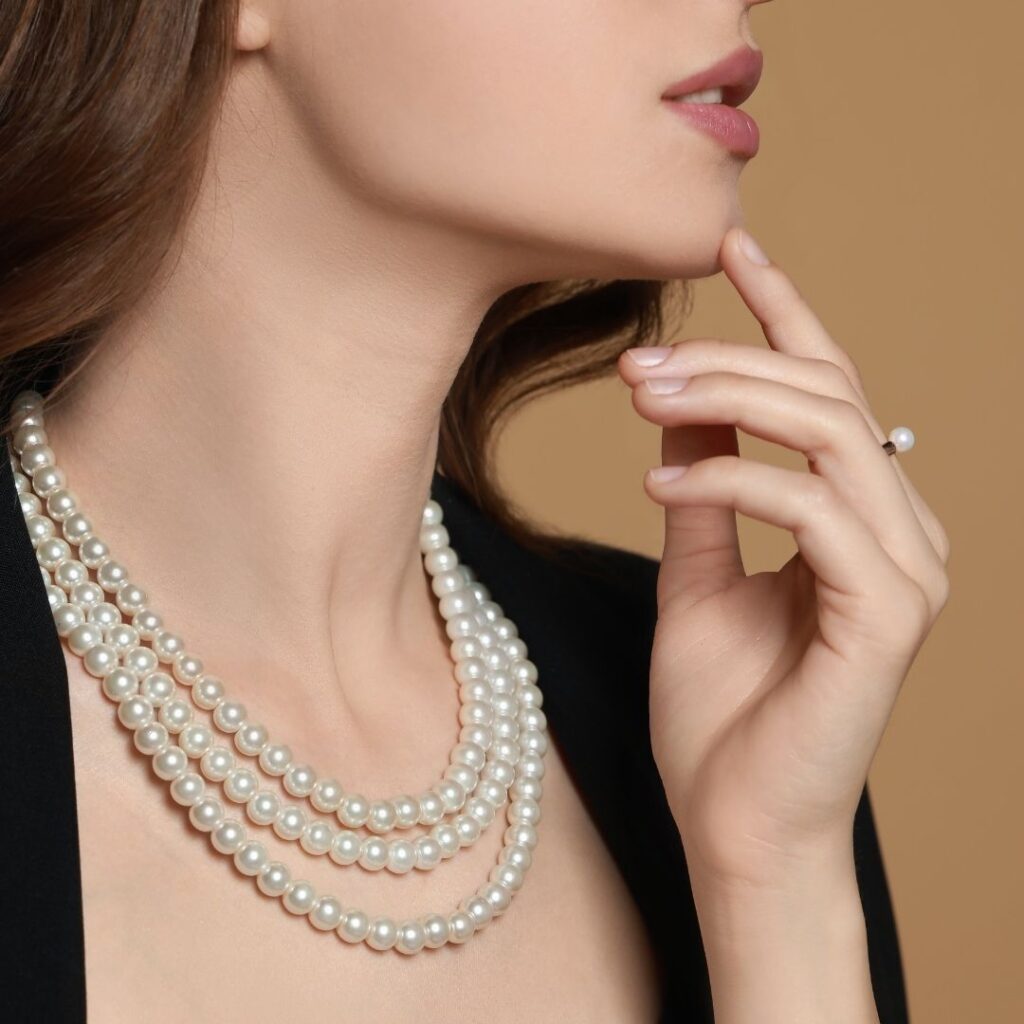
The third change is cultural. There is a growing celebration of restraint and refinement in Dubai’s luxury culture. The maximalist aesthetic of previous decades is being joined — not replaced, but joined — by a more understated sensibility. Thin stacking rings. Minimalist pendants. Sculptural ear cuffs. Pieces that work in a boardroom, a restaurant, and a beach club without needing to be swapped out.
Together, these three changes are producing a very specific product demand: 18K solid gold pieces in lightweight, contemporary designs at accessible price points, available in enough variety that a customer can build a personal collection over time.
Why 18K Gold Creates Specific Inventory Management Challenges
Here is where the business complexity begins. Traditional Dubai gold retail inventory management was built around a relatively simple model: stock gold by weight category, price it against the daily DMCC gold rate, and manage replenishment based on broad category movements. The product range in a traditional souk store was deep in each category but not especially wide in terms of design variety.
Everyday luxury 18K retail works completely differently, and it creates inventory challenges that traditional systems and traditional spreadsheet-based management simply cannot handle well.
Challenge 1: SKU Explosion
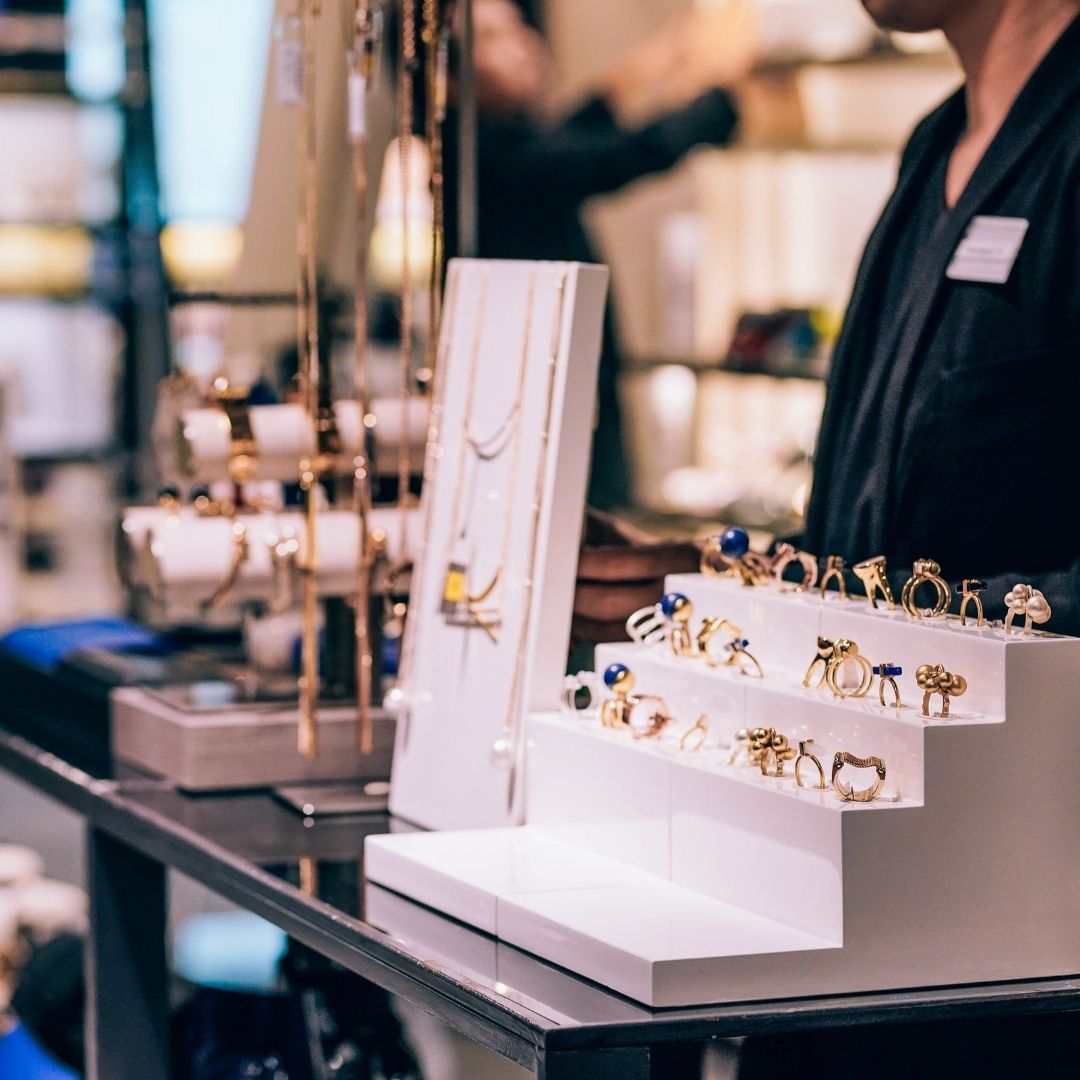
A traditional 22K gold bangle might come in three weight options. An 18K everyday collection might include thirty or forty individual SKUs across rings, earrings, pendants, bracelets, and chains — each in different lengths, gauges, or design variations. Managing thirty to forty active SKUs in a single collection, across multiple collections from multiple suppliers, creates a tracking complexity that is categorically different from traditional gold retail.
If a retailer carries five everyday luxury collections with an average of thirty SKUs each, they are managing 150 individual product lines that each need their own stock level monitoring, reorder points, display rotation schedules, and sell-through tracking. This is impossible to manage accurately on a spreadsheet or a basic POS system that was designed for weight-based gold pricing.
Challenge 2: Design-Driven Demand Volatility
Traditional gold moves with the gold price. Everyday luxury moves with design trends, social media, influencer content, and seasonal fashion cycles. A specific ring design can go from moderate seller to sold-out within two weeks if it is featured by a prominent Dubai lifestyle account. The reverse is also true: a design that sold well six months ago can stall completely as taste moves on.
This means that inventory replenishment for 18K everyday collections requires much faster decision-making, much more granular sell-through data, and a system that can flag slow-moving SKUs quickly so a buyer can rotate the display before capital is locked in dead stock.
Challenge 3: Multi-Supplier Complexity
Many Dubai jewellers sourcing contemporary 18K designs are working with multiple suppliers — Italian manufacturers, Turkish wholesale suppliers, local Dubai designers, and Indian production houses — each with different lead times, minimum order quantities, pricing structures, and quality tiers. Managing reorder relationships across four or five suppliers for a fast-moving category requires a level of supplier data integration that goes well beyond a basic billing system.
Challenge 4: Gold Rate Pricing on Design-Driven Products
This is the friction point that catches many UAE jewellers out. 18K everyday luxury pieces are not sold purely on gold weight the way traditional pieces are. They carry a making charge that reflects the design complexity, the craftsmanship, and the brand positioning of the collection. But the gold content still needs to be priced accurately against the daily DMCC rate.
Managing a product catalogue where each piece has both a gold content value (fluctuating daily) and a fixed making charge component — and displaying the correct total price at the point of sale without manual calculation — requires a jewellery-specific software system that understands this dual pricing structure. A generic retail POS will not handle this correctly without significant manual intervention.

What Smart Inventory Management Looks Like for 18K Retailers
The jewellers who are managing the everyday luxury trend successfully in Dubai are not doing it with better spreadsheets. They are doing it with purpose-built jewellery inventory software that gives them real-time visibility, automated pricing, and the data they need to make fast buying decisions.
Here is what that looks like in practice.
Real-Time Stock Visibility by SKU
A smart inventory system tracks each individual SKU — not just broad categories — and shows the retailer exactly how many units of each design are on the floor, in the back room, in transit from a supplier, and on consignment. When a specific ring design hits a low stock threshold, the system flags it automatically so the buyer can place a reorder before the gap appears on the display.
This sounds straightforward, but it is a significant operational step up from most Dubai gold retailers’ current reality, where stock checks involve physical counting, WhatsApp messages to the storeroom, and manually updated spreadsheets that are always slightly out of date.
Automated Gold Rate Pricing
A jewellery-specific system like Synergics jewellery software Dubai connects to live gold rate feeds and automatically recalculates the gold content component of each piece’s price when the DMCC rate changes. The making charge remains fixed. The system updates the display price, the POS price, and the quote price simultaneously, without any manual intervention from staff.
For a retailer managing 150+ SKUs across multiple 18K collections, this automation alone saves significant daily staff time and eliminates the pricing errors that occur when manual rate updates are missed or applied inconsistently across product categories.
Sell-Through Analytics by Design and Collection
A smart inventory system does not just tell you what you have in stock. It tells you what is selling, how fast, at what margin, and how that compares to the previous week, the previous month, and the same period last year. For everyday luxury retail, where design-driven demand can shift quickly, this data is the difference between a buyer who is always slightly behind the trend and one who is consistently ahead of it.
Knowing that a specific stackable ring design has a sell-through rate of 85% in the first four weeks while a pendant from the same collection is sitting at 30% gives a buyer the specific information they need to reorder the ring, discount the pendant to clear it, and adjust the next collection buy accordingly.
Supplier and Reorder Management
A purpose-built jewellery ERP system maintains a supplier database that links each SKU to its source, records lead times, minimum order quantities, and landed cost including import duty, and generates purchase orders automatically when stock falls below the set reorder point. For a multi-supplier 18K operation, this means the buying process becomes systematic and data-driven rather than reactive and relationship-dependent.
Customer Purchase History for Personalised Selling
Everyday luxury customers are repeat buyers. A customer who buys a pendant in January is a strong candidate to return for matching earrings in March and a bracelet in June. A smart inventory system linked to a CRM records each customer’s purchase history so that sales staff can make informed, personalised recommendations during each visit — increasing average transaction value and deepening customer loyalty in a way that feels helpful rather than pushy.
The Competitive Reality for Dubai Jewellers in 2026
The Dubai jewellery retail market in 2026 is more competitive than it has ever been. International jewellery brands with sophisticated inventory systems, deep capital, and global supply chains are establishing a growing presence in the emirate’s malls and luxury destinations. Independent local jewellers and family-run operations have always competed on relationships, product knowledge, and the personal service that large brands struggle to replicate.
But product knowledge and personal service alone are no longer enough if the back office is running on systems that cannot keep up with the operational demands of a fast-moving category. A jeweller who consistently runs out of their best-selling 18K designs because their reorder process is slow, or who prices a piece incorrectly because the morning’s gold rate update was applied manually and missed two SKUs, is losing sales and margin that they will not easily recover.
The jewellers who will lead Dubai’s everyday luxury category over the next three years are the ones who combine the human strengths of the family jewellery business — the relationships, the taste, the reputation — with the operational precision that only a purpose-built jewellery software system can provide.
Why Synergics Is Built for This Specific Challenge
Synergics jewellery software Dubai is designed specifically for the operational realities of UAE jewellery retail, including the growing everyday luxury segment. It is not a generic retail system adapted for gold. It is built from the ground up for jewellers, which means every feature — from the dual pricing structure for making charges and gold content, to the DMCC rate integration, to the SKU-level inventory tracking across multiple locations — is designed around the way jewellery businesses actually work.
For Dubai retailers building or scaling an 18K everyday luxury offering, Synergics provides the inventory visibility, the pricing automation, and the supplier management tools needed to compete in a category where speed, accuracy, and data-driven buying decisions are increasingly the difference between a growing business and a stagnant one.
Frequently Asked Questions
What is the everyday luxury trend in Dubai jewellery retail? The everyday luxury trend refers to the growing demand for lightweight, contemporary 18K gold pieces designed for daily wear rather than ceremonial or investment purposes. Driven by younger, self-purchasing buyers, the trend is reshaping product mix and inventory requirements for Dubai jewellers in 2026.
Why is 18K gold growing in popularity in the UAE? 18K gold is gaining popularity in the UAE because it is more durable for daily wear than 22K or 24K gold, lighter in weight, and better suited to contemporary international jewellery aesthetics. It is particularly popular among younger professional buyers who prioritise wearability and design alongside gold value.
How is managing 18K gold inventory different from traditional gold retail? 18K everyday luxury inventory involves a much larger number of individual SKUs, design-driven demand volatility that moves faster than gold price cycles, multi-supplier complexity, and a dual pricing structure combining gold content value and making charges. These factors make traditional weight-based inventory management insufficient.
What software features does a Dubai jeweller need to manage 18K collections? Key features include real-time SKU-level stock tracking, automated DMCC gold rate pricing, sell-through analytics by design and collection, supplier and purchase order management, and CRM-linked customer purchase history for personalised selling.
How does Synergics jewellery software help Dubai retailers manage the everyday luxury category? Synergics jewellery software Dubai provides DMCC rate integration for automated pricing, SKU-level inventory visibility across single and multi-location stores, sell-through analytics, supplier management, and a full CRM — all in a single platform built specifically for the UAE jewellery market.
Is cloud-based jewellery inventory software suitable for Dubai gold retailers? Yes. Cloud-based jewellery software allows store owners and buyers to monitor stock levels, review sales performance, and manage reorders from anywhere — whether they are on the shop floor, at a supplier meeting in Mumbai, or reviewing performance from a second location in Abu Dhabi.
Conclusion
Dubai’s 18K gold everyday luxury trend is not a niche. It is becoming a primary growth category for forward-thinking jewellers across the emirate. But the operational demands of this category — the SKU complexity, the pricing precision, the fast-moving demand cycles, the multi-supplier logistics — require systems and processes that go well beyond what most jewellery retailers currently have in place.
Smart inventory management is not a back-office administrative function for everyday luxury retailers. It is a front-line competitive advantage. The jewellers who invest in the right tools now will build the stock accuracy, the buying intelligence, and the customer relationships that compound into a dominant market position over the next three years.
If you are a Dubai jeweller building or scaling your 18K collection, the right time to get your systems right is before the demand outgrows your ability to serve it — not after.
Ready to see how Synergics can transform your jewellery inventory management in Dubai? Book a free demo today.