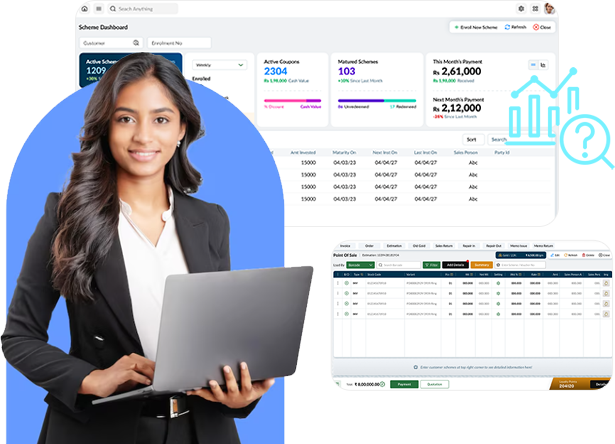
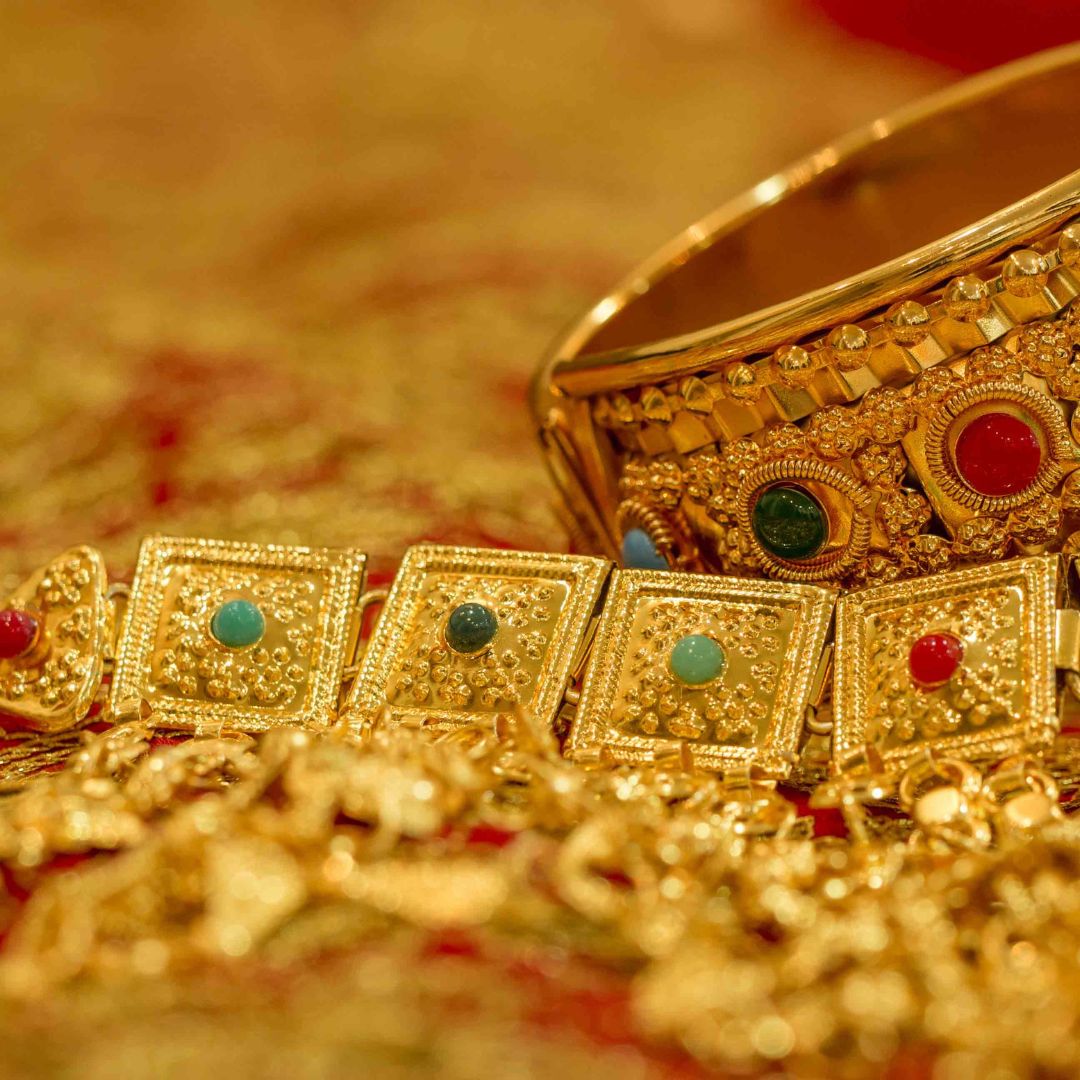
- Procurement in jewellery isn’t just buying materials. It’s sourcing gold, diamonds, and gemstones at the right time, price, and quality level.
- Manual procurement leads to stockouts, supplier delays, and wasted material from poor planning.
- A genuine jewellery procurement ERP includes purchase orders, verification, supplier management, and material requirement planning, not just a digital purchase log.
- Synergics ties procurement directly to live metal rates and production schedules, so buying decisions reflect real-time market conditions, not yesterday’s price.
In the jewellery industry, precision, timing, and cost control matter as much as creativity and design. Most jewellers focus heavily on sales and customer experience. One critical aspect often gets overlooked: procurement management. Sourcing raw materials like gold, diamonds, and gemstones efficiently directly impacts profit margins, inventory flow, and ultimately customer satisfaction.
By digitizing and automating procurement, jewellers achieve faster turnaround times, minimize wastage, and build stronger supplier relationships. This guide covers how ERP transforms procurement in jewellery businesses, and why upgrading your systems is no longer optional.
Why Procurement Efficiency Matters in Jewellery Businesses
Procurement isn’t just about buying materials. In a jewellery business, it means:
- Ensuring quality sourcing – Precious stones and metals must meet quality standards.
- Maintaining transparency – Every gram of gold or diamond counts; there’s no room for mismanagement.
- Optimizing costs – With fluctuating prices of gold and silver, buying at the right time can save huge costs.
- Balancing demand and supply – Procurement decisions directly impact production schedules and customer order fulfillment.
When procurement runs inefficiently, jewellers face real, recurring problems. Stockouts or overstocking of raw materials, supplier delays that stall production, no visibility into costs, and wastage of expensive materials from poor planning all follow. An ERP-driven procurement system exists specifically to close these gaps.
The Role of ERP in Jewellery Procurement

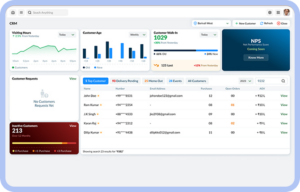
A jewellery procurement ERP streamlines the entire process end to end, making it easier to manage suppliers, purchase orders, inventory, and cost control. Unlike manual spreadsheets or disconnected tools, ERP gives you a single source of truth for all procurement data.
Key functionalities include:
- Automated purchase orders, generated based on real-time inventory levels.
- Purchase verification, confirming that goods received actually match what was ordered, in quantity, quality, and weight, before they enter inventory.
- Supplier management, tracking vendor performance, pricing history, and compliance.
- Material requirement planning (MRP), comparing upcoming production or sales orders against current stock to generate accurate purchase requisitions automatically.
- Cost optimization tools, monitoring market prices and managing purchase timing.
- Inventory integration, so purchased materials flow seamlessly into production.
- Analytics and reporting, forecasting material needs and tracking expenditure.
Benefits of Jewellery Procurement ERP
Let’s break down the biggest advantages:
1. Better Supplier Management
Managing multiple suppliers manually leads to errors and miscommunication. ERP centralizes vendor details, pricing history, and purchase trends, making supplier negotiations genuinely data-driven.
2. Improved Purchase Planning Through MRP
Material requirement planning compares what’s coming, upcoming sales orders, production schedules, seasonal demand, against what’s already in stock, then generates purchase requisitions automatically. This avoids both shortages and over-purchasing, without someone manually forecasting demand in a spreadsheet.
3. Cost Control Tied to Live Metal Rates
Gold and silver prices move daily, sometimes more than once a day. Procurement timing genuinely matters. Synergics ties purchasing decisions to the same live metal rate data used across billing and inventory valuation. Buying decisions reflect current market conditions, not a rate checked yesterday morning.
4. Compliance & Traceability
Jewellery businesses face real regulatory requirements. ERP ensures every purchase, from supplier through to finished jewellery, stays documented and traceable. This supports the same GST-compliant billing and HUID tracking that carries through to the point of sale.
5. Faster Decision Making
With centralized data, managers stop cross-checking records across five different places. Dashboards and reports make decisions faster and more reliable.
Jewellery Purchase Management: A Key ERP Feature
Purchase management ensures every step of the buying process stays controlled and optimized. Key aspects include:
- Purchase Requisitions: Departments request required materials digitally, not on a sticky note.
- Approval Workflows: Automated approvals prevent unauthorized purchases before they happen.
- Purchase verification. Goods received get checked against the original order for quantity, quality, and weight before they’re accepted into stock.
- Dynamic Pricing: The system tracks price variation to help you buy at the right moment.
- Order Tracking: Real-time updates from order placement through to delivery.
- Vendor Ratings: Ongoing evaluation of supplier reliability and quality over time.
What Should You Look for in Jewellery Procurement ERP Features?
The best jewellery procurement ERP automates purchase orders, plans material requirements against real production demand, verifies goods against the original order, and ties purchasing to live metal rates and compliance records. Here’s what each capability actually does, and the specific question worth asking any vendor about it.
| Capability | Why It Matters | What to Ask a Vendor |
| Purchase orders | Manual PO creation is slow and error-prone at any real volume | Are POs generated automatically from stock levels, or entered by hand? |
| Material requirement planning | Prevents both material shortages and over-purchasing that ties up capital | Does MRP compare live production orders against current stock automatically? |
| Purchase verification | Catches supplier discrepancies before they enter inventory, not after | Does the system verify quantity, quality, and weight against the original PO? |
| Supplier management | Data-driven vendor negotiation beats guesswork on pricing and reliability | Can you see vendor performance history, not just a contact list? |
| Price and rate tracking | Gold and silver move daily, so procurement timing affects real margin | Is purchasing tied to live metal rates, or a rate checked that morning? |
| Compliance and traceability | Sourcing documentation needs to survive an audit, not just exist | Does procurement data connect to GST and hallmarking records automatically? |
How Synergics Connects Procurement to Production
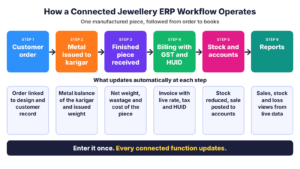
Procurement doesn’t operate in isolation. A purchase decision made today affects what’s available for manufacturing tomorrow. Synergics ties material requirement planning directly to your bill of materials. A new production order automatically checks against current stock and generates the right purchase requisition, rather than a manager reverse-engineering material needs from a design sheet.
For gemstones specifically, procurement data can also carry certification details forward. A stone’s origin and grading documentation stays attached to it from sourcing through to the finished piece, supporting the traceability buyers increasingly expect.
Real-World Example: Jewellery ERP in Action
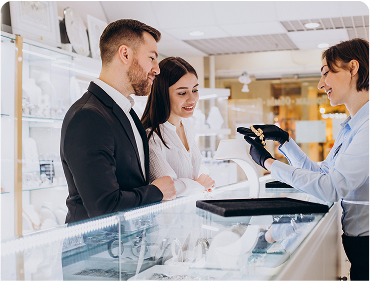
Consider a jewellery brand sourcing gold from multiple vendors. Without ERP, procurement managers track price updates, supplier negotiations, and delivery schedules manually across spreadsheets. This creates errors, delays, and higher costs almost by default.
With a jewellery procurement ERP, the same brand can do all of this instead:
- Compare vendor pricing instantly
- Place orders automatically when inventory drops below a set threshold
- Track deliveries and update stock in real time
- Generate cost-analysis reports to evaluate supplier performance over time
The result is lower procurement costs, faster operations, and better margins, achieved through visibility rather than guesswork.
How ERP Prevents Procurement Bottlenecks
Procurement bottlenecks disrupt both production and sales. Delayed approvals, lost purchase records, and supplier disputes all cost real time and money. ERP addresses this by
- Automating approvals to avoid delays.
- Maintaining audit trails for every purchase.
- Enabling collaboration across departments (purchasing, finance, production).
- Providing real-time alerts on pending or overdue orders.
In essence, ERP ensures that procurement never becomes a weak link in the jewellery supply chain.
What’s Next for Jewellery Procurement ERP
Predictive procurement is becoming more common. It helps businesses forecast demand and time purchases more accurately based on real production and sales data, rather than gut instinct.
Synergics’ VISOR already applies this kind of real-time analysis elsewhere in the platform, answering business questions instantly rather than waiting on a report. The same underlying data increasingly informs smarter procurement timing too.
Blockchain-based traceability is also gaining ground industry-wide, particularly for verifying ethical sourcing of diamonds and metals. Businesses that adopt connected procurement systems now are better positioned for whatever comes next, rather than retrofitting a manual process later under pressure.
Manual Procurement vs. Synergics Jewellery ERP
| Feature | Manual Procurement | Synergics Jewellery ERP |
| Purchase Orders | Manual creation, prone to errors | Automated, rule-based generation |
| Material Planning | Manual forecasting in spreadsheets | MRP compares stock against demand automatically |
| Purchase Verification | Manual checking against paper records | Verified against PO before entering inventory |
| Supplier Management | Disconnected records, no performance tracking | Centralized vendor database with ratings |
| Price Tracking | Manual market monitoring | Real-time price alerts tied to live metal rates |
| Approval Workflow | Delayed, paper-based approvals | Automated digital approval workflows |
| Inventory Sync | Separate systems, stock mismatches | Seamless integration with inventory |
| Reporting & Analytics | Time-consuming spreadsheets | Instant procurement dashboards |
Conclusion
Procurement efficiency can make or break a jewellery business. From sourcing gold at the right price to ensuring gemstones arrive on time and properly documented, every procurement decision touches profitability somewhere downstream. Jewellery procurement ERP, with real material requirement planning and verification built in, eliminates the inefficiencies that generic tools and spreadsheets can’t catch.
Want to see purchase planning tied directly to your production schedule and live metal rates? Book a free demo with the Synergics team.
FAQs
1. What is jewellery procurement ERP?
It’s a specialized ERP module that helps jewellery businesses manage suppliers, purchase orders, material requirement planning, verification, and compliance in one connected system. It’s not disconnected spreadsheets and manual records.
2. How does material requirement planning improve procurement?
MRP compares upcoming production orders and sales demand against current stock, then generates accurate purchase requisitions automatically. This prevents both material shortages that stall production and over-purchasing that ties up capital unnecessarily.
3. What is purchase verification, and why does it matter?
Purchase verification checks that goods received actually match what was ordered, in quantity, quality, and weight, before they’re accepted into inventory. Without it, discrepancies from a supplier can go unnoticed until they surface as a costly problem later.
4. Can ERP help reduce procurement costs in jewellery businesses?
Yes. Real-time pricing insights tied to live metal rates, supplier performance tracking, and reduced wastage from better planning all lower procurement costs over time, compared to manual, reactive purchasing.
5. Is jewellery procurement ERP suitable for small jewellery businesses?
Yes. Even a small jeweller benefits from automated purchase orders and centralized supplier data. The accountability gap manual processes create exists regardless of business size.
6. How does ERP improve compliance in procurement?
ERP maintains complete audit trails for every purchase and ties procurement data into GST and HUID compliance tracking. Sourcing documentation stays connected to the finished piece, instead of existing as a separate paper trail.